Walk the outdoor-cooking aisle and the two big boxes cost about the same, take up the same patio footprint, and both promise great burgers. But a flat-top griddle and a grill are opposites in almost every way that matters: one is a giant steel skillet, the other is an open fire. We've dug through hundreds of owner reviews and the major comparative tests, and the answer to "which one?" depends less on the hardware than on what your household actually eats. Here's the honest breakdown.
What a Griddle Does Better
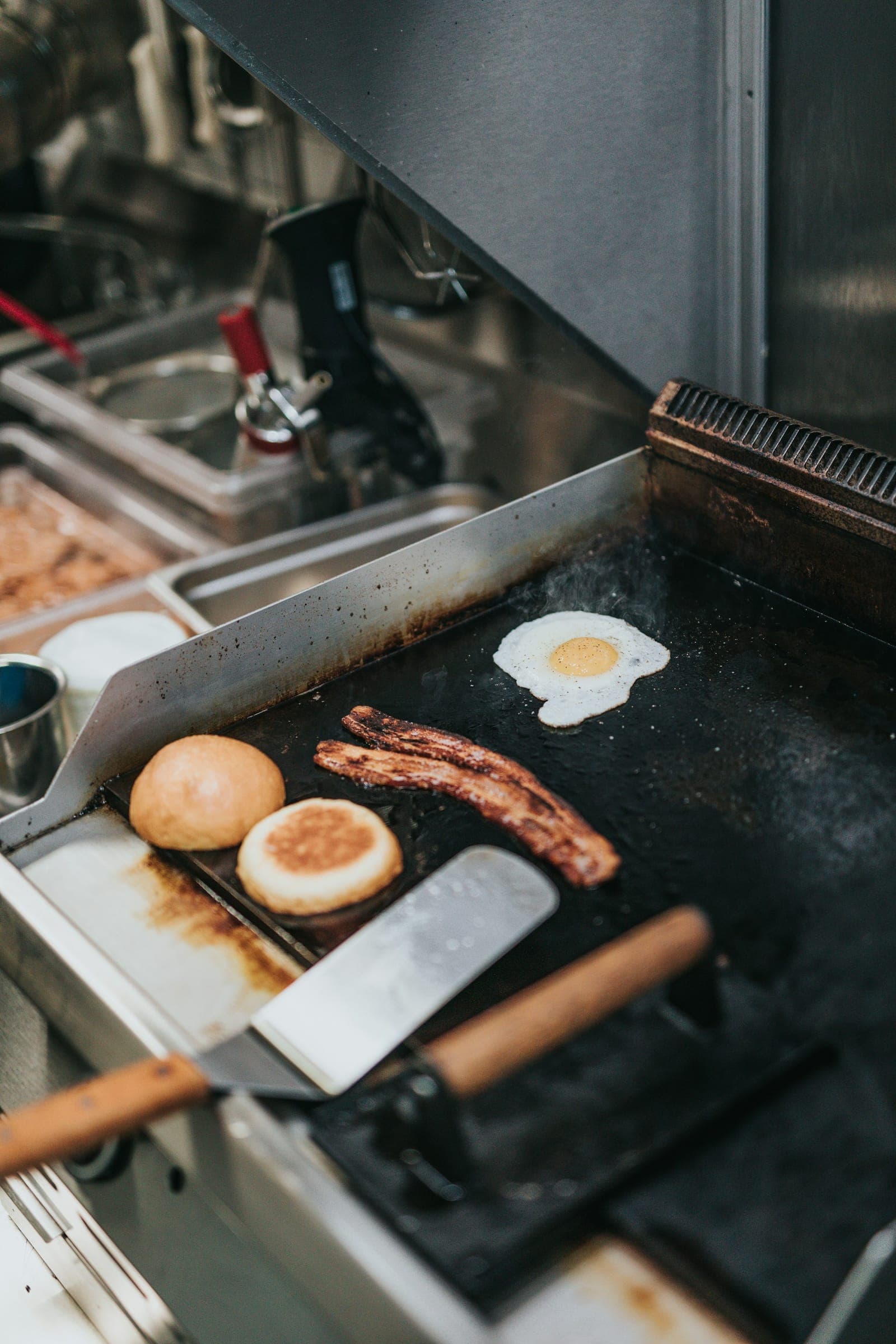
A griddle is a restaurant flat top on a cart: a solid steel plate heated from below, no grates, no open flame touching the food. That one design choice wins three whole categories of cooking.
Smash burgers. The entire point of a smash burger is pressing thin beef against ripping-hot metal so the whole patty crusts, not just the strips that touch a grate. A 36-inch Blackstone Omnivore griddle (~$399) hit 654°F in The Barbecue Lab's 2026 comparative test (far more heat than the job needs), and its 768 square inches fit a dozen patties, a pile of onions, and toasting buns at the same time. You physically cannot smash a burger on grill grates.
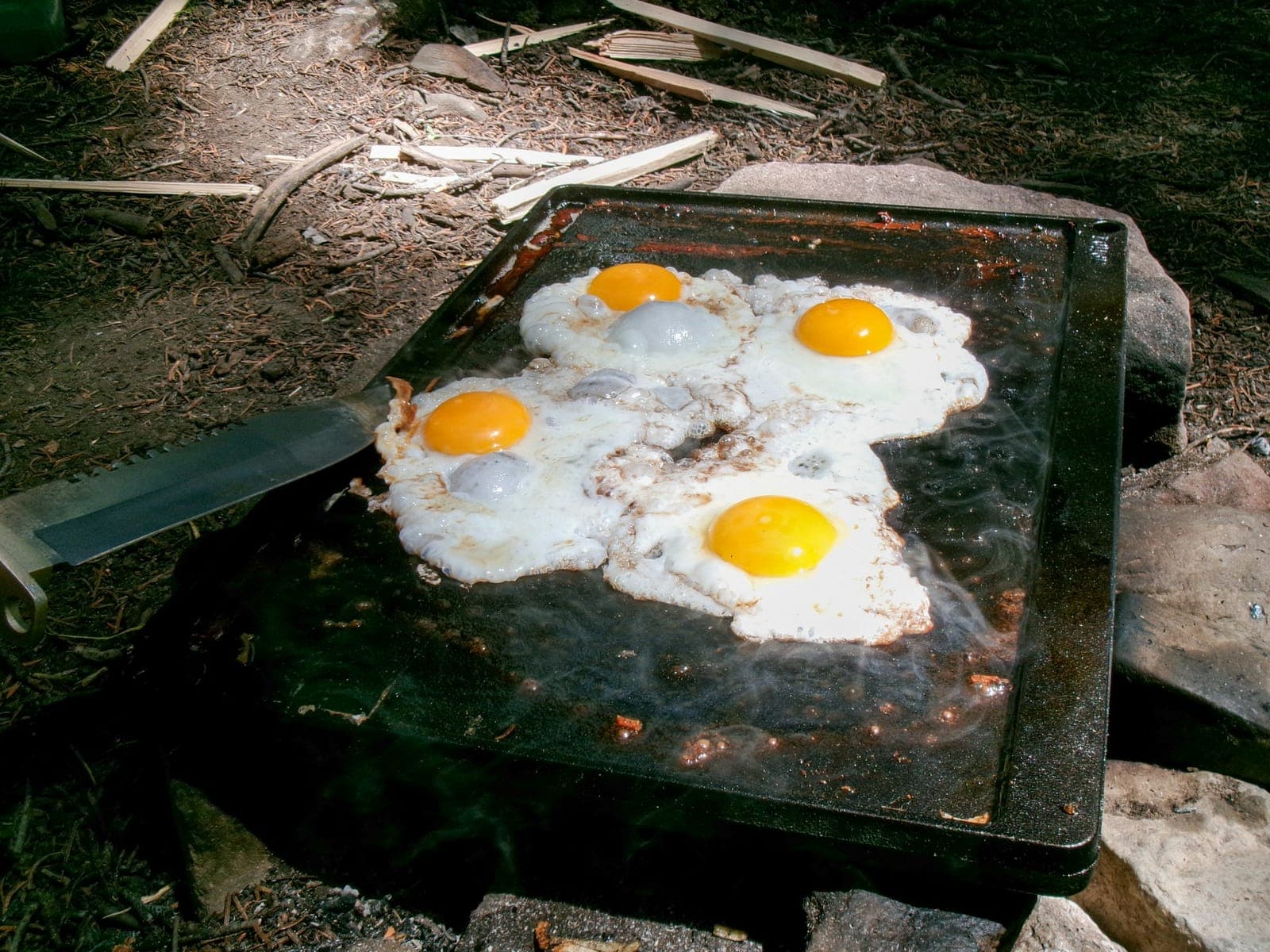
Breakfast. Eggs, pancakes, bacon, hash browns: none of it survives a grate, and all of it thrives on a flat top with multiple heat zones. This is the use case owners rave about most: cooking a full breakfast for eight outside, everything finishing at once. One honest caveat from testing: the Blackstone's lowest setting measured around 450°F, the hottest "low" of the field, so delicate eggs take practice or a cooler zone left barely lit.
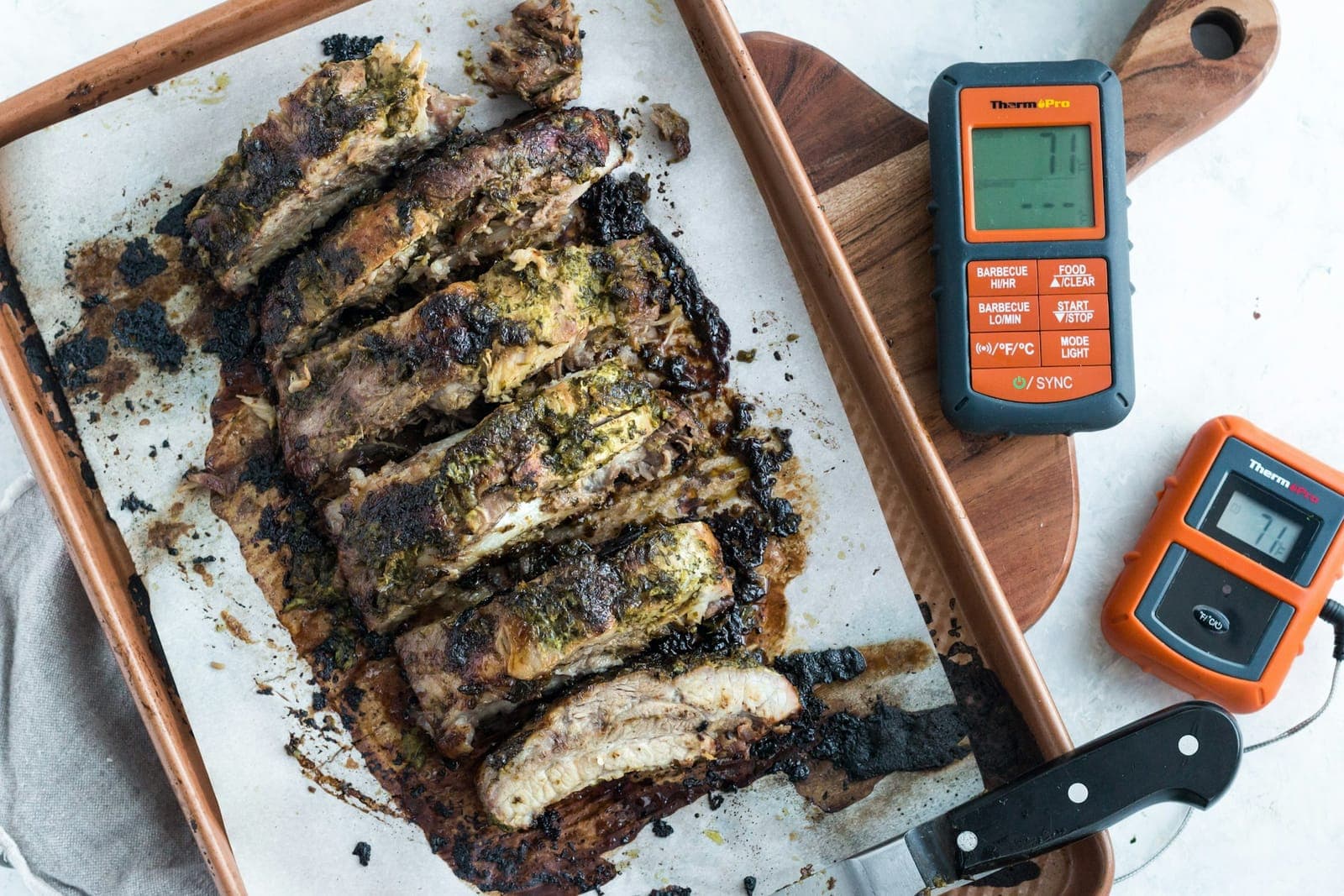
Volume and variety. Fried rice, smashed quesadillas, fajitas, cheesesteaks, diced potatoes, shrimp: anything small, saucy, or chopped. A griddle turns hibachi-style cooking into a weeknight option, and four independent burners mean proteins, vegetables, and starches run side by side at different temperatures. Ground meat still needs to reach 160°F and chicken 165°F; a decent instant-read thermometer matters just as much on a flat top as over a fire.
What a Grill Does Better
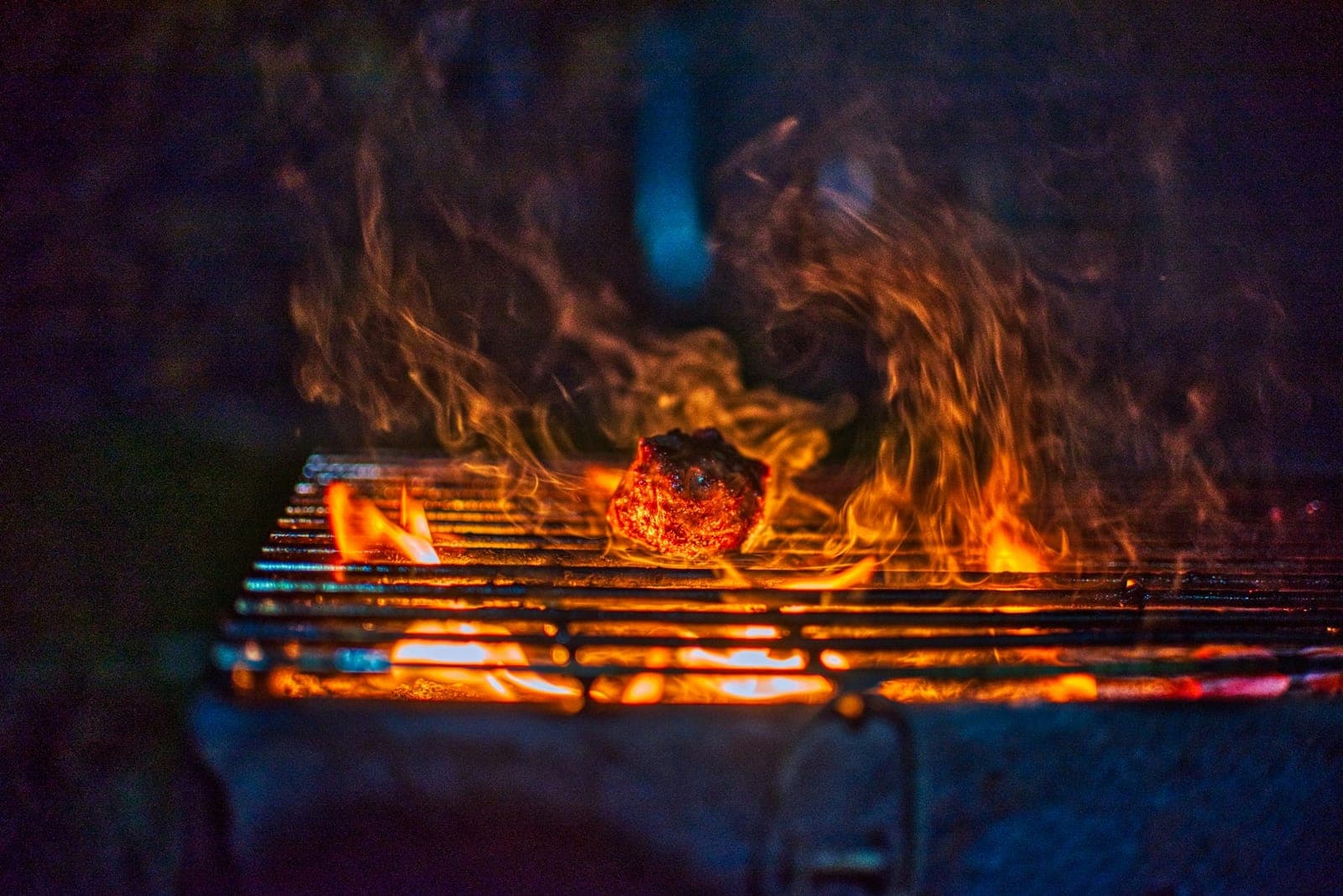
Fire flavor. When fat drips onto hot coals it vaporizes and coats the food; that's the taste people mean by "grilled," and a griddle can't produce it because the drippings pool on the plate instead. Add a chunk of hickory to a charcoal fire and you get genuine smoke flavor for free. The 22-inch Weber Original Kettle Premium ($219) has been the consensus way to get that flavor for decades. Our charcoal grill comparison ranks it best overall for 2026, and the base version runs just $165.
Direct-flame searing and char. Radiant heat from a charcoal bed sears at 500–600°F while the excess fat drains away: steaks, chicken thighs, and vegetables come off leaner, with real char on peppers and corn that a flat plate can't make.
Everything a lid unlocks. This is the gap people discover after buying. Close a kettle's lid and it becomes an oven: whole chickens roasted to 165°F, ribs held at 225–275°F for hours with a two-zone fire, even bread and pizza. Most griddles in the popular price range have no lid at all, and even lidded ones aren't built for indirect cooking. If low-and-slow interests you even a little, that's a grill; our charcoal grilling for beginners guide covers the two-zone setup that makes it work.
Feeding a Crowd
Raw surface area goes to the griddle, and it's not close: 768 square inches on a 36-inch Blackstone versus 363 on a 22-inch kettle. More importantly, a griddle's output is continuous: cook, slide to the warm zone, keep cooking. Owners routinely feed 15–20 people at a tailgate this way, and even the $199 22-inch Blackstone tabletop fits around 14 burgers at once.
The grill's counterpunch is what it feeds them: a kettle can cook about 13 burgers per batch, but it can also produce a smoked pork shoulder or two spatchcocked chickens, food a griddle simply can't make. For big-batch cooking with fire flavor, a gravity-fed charcoal cooker like the Masterbuilt Gravity Series 1050 offers 1,050 square inches with thermostat-style control from 225 to 700°F, though owner reviews are equally clear that its electronics make it a 5–7 year appliance, not an heirloom.
Cleanup and Upkeep
Griddle, day to day: faster. Scrape the hot plate, wipe it down, film of oil, done: about five minutes, no grate scrubbing, and the grease funnels into a cup. But the routine is mandatory. A bare-steel top that skips the oil or sits uncovered in rain will rust; it is the most common complaint in Blackstone owner reviews by a wide margin. Our griddle seasoning guide and the 5-minute cleaning routine make it painless, and if you refuse the upkeep entirely, the Weber Slate 36 ($899) has a rust-resistant pre-seasoned top that went six months of Chicago weather without a spot in Tom's Guide's long-term test.
Grill: more forgiving, messier at the extremes. A kettle asks for a grate brushing and, eventually, an ash dump; Weber's One-Touch system sweeps it into an enclosed catcher in seconds. Charcoal ash is the real chore: it must cool completely (give it 24 hours or douse and double-check) before disposal. But neglect won't kill a porcelain-enameled bowl the way it kills a bare-steel griddle top; 15-year-old kettles are common.
Weather
Griddles are the fair-weather machine, and wind is the specific enemy: a big open plate sheds heat fast. In The Barbecue Lab's wind test, even the premium Weber Slate lost 170°F of surface temperature. Plan a windbreak, or look at inset-plate designs like the Halo Elite4B that are built around the problem. Rain is the other issue, since water on bare steel means rust; a cover is effectively part of the purchase price.
A charcoal grill with the lid on is its own windbreak. Vents let you feed the fire more air in cold weather, and grillers run kettles through winter routinely. If you cook outdoors year-round in an exposed spot, the grill is the more resilient tool.
The Verdict: Match It to Your Table
Buy the griddle if your household runs on burgers, breakfast, tacos, fried rice, and feeding kids or crowds: food that's flat, fast, and varied. It replaces your indoor skillet for entire meals and scales to a party without breaking rhythm. The ~$399 Blackstone 36 is the default for a reason; our flat-top griddle comparison covers it plus the budget, premium, and no-seasoning alternatives.
Buy the grill if steak night, char, smoke flavor, or any future in low-and-slow cooking is the draw. A $165–$219 kettle does more kinds of cooking than any griddle ever will, and it's the cheaper way in. Start with our charcoal grill rankings.
The quiet third option: this is one of the few gear debates where "both" is genuinely affordable. A base Weber kettle ($165) plus the 22-inch Blackstone tabletop ($199) costs about $364 (less than one premium griddle) and covers essentially everything both categories do for a household of four. Owner reviews suggest that's where a lot of people land within a year anyway.
Whichever surface you pick
Two habits carry over: cook to temperature, not to looks (our meat thermometer guide covers the safe numbers) and protect your equipment. That means seasoning the griddle from day one, or learning proper two-zone fire setup on the grill. Both take one afternoon and pay off for years.