Every spring the same debate plays out on patios and in group chats: the pizza oven looks like more fun, the grill looks more useful, and the budget covers exactly one of them. We've read a lot of owner reviews of both categories, and the honest pattern is clear: most people should buy the grill first, and a specific kind of cook should absolutely buy the pizza oven first. Here's how to figure out which one you are.
What Each One Actually Does Best
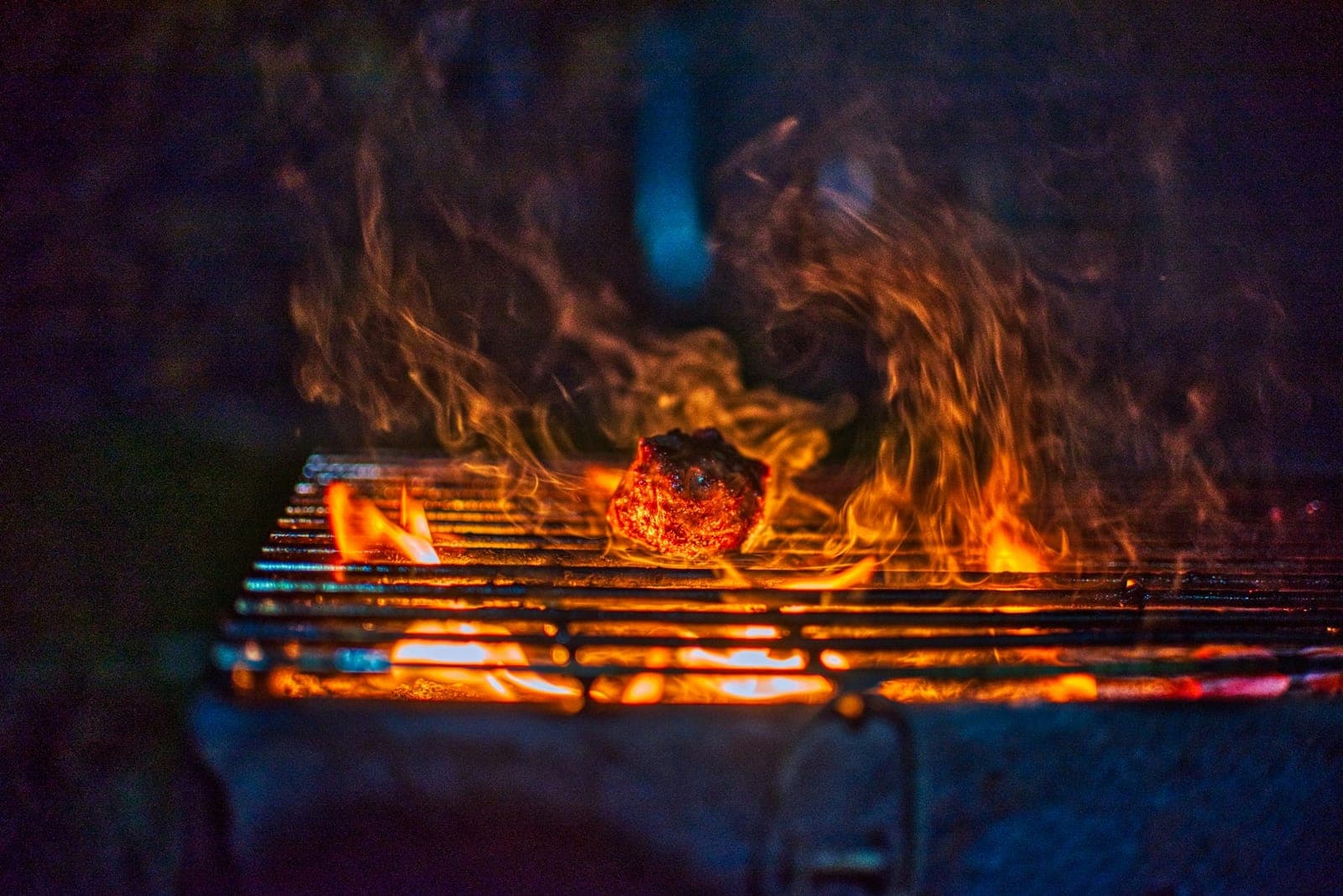
A grill is a generalist. A 22-inch charcoal kettle like the Weber Original Kettle Premium gives you 363 square inches of cooking area (about 13 burgers at once), and with a two-zone fire it sears steaks at 500–600°F, roasts chicken gently to a safe 165°F, and holds 225–275°F long enough to smoke ribs with practice. One piece of equipment covers weeknight dinners, Saturday cookouts, and a surprising amount of what a smoker does. Our charcoal grilling for beginners guide covers the two-zone setup that unlocks most of that range.
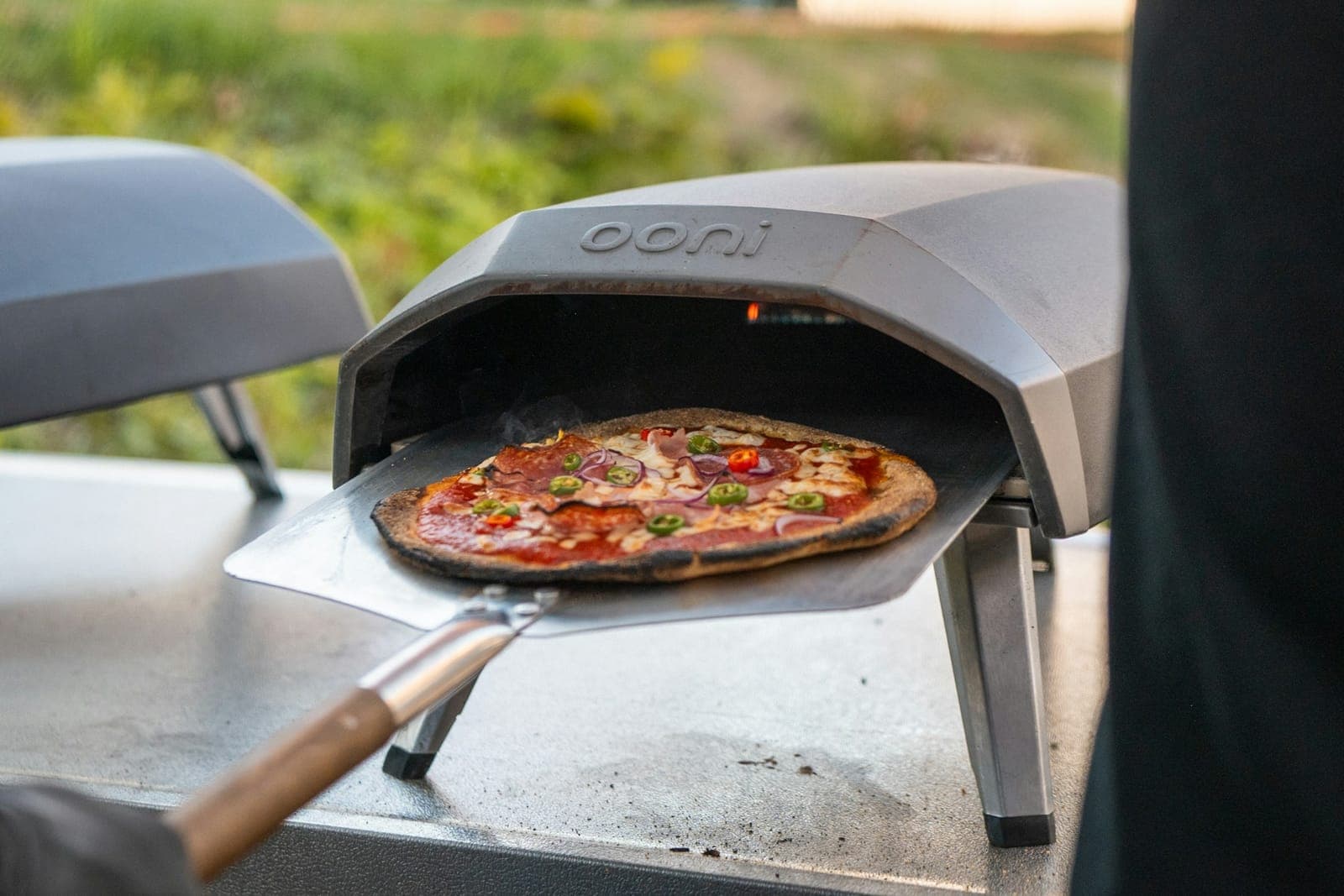
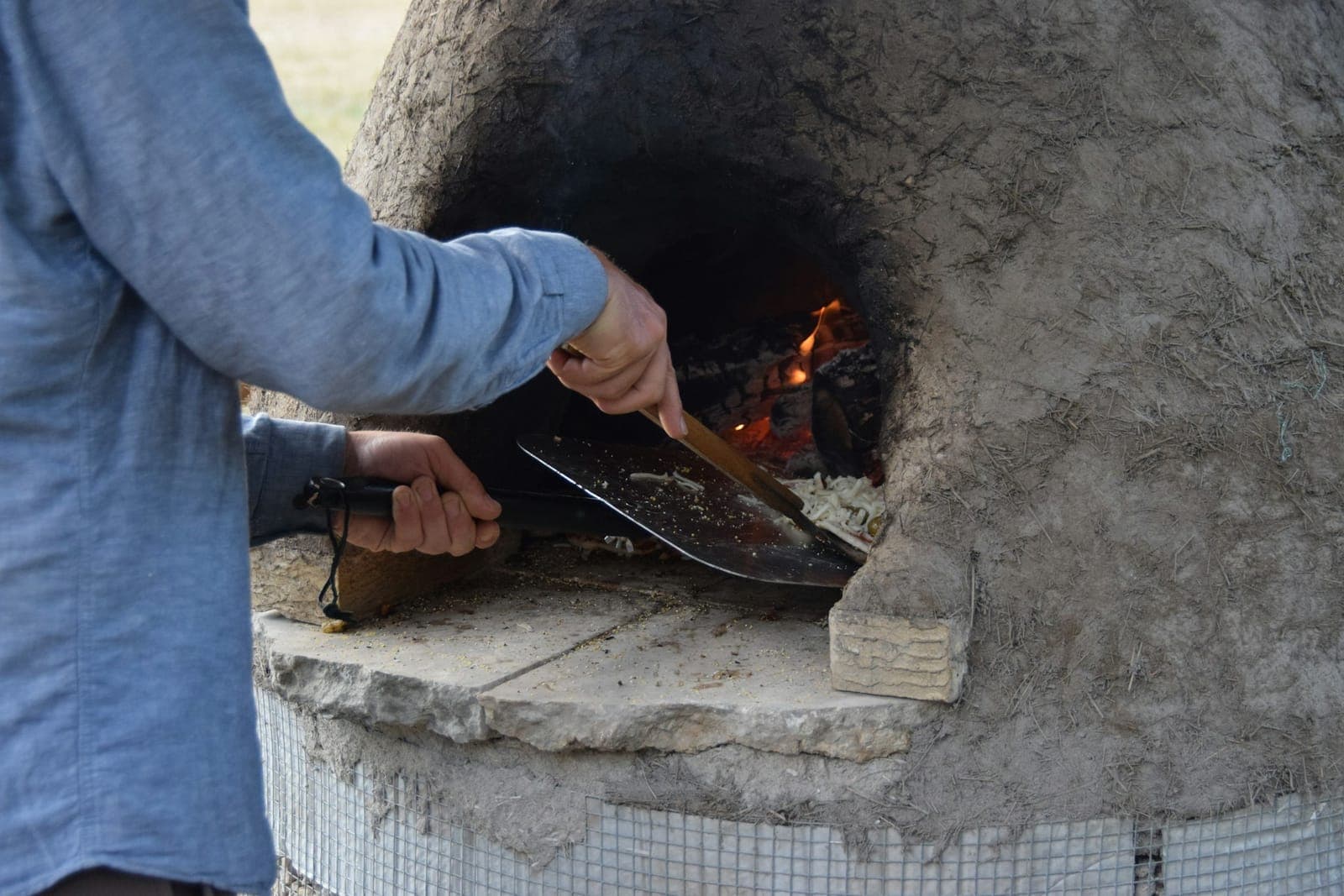
A pizza oven is a specialist, and it specializes in something no grill can do: a stone floor at 750–900°F with rolling flame overhead. That combination bakes a Neapolitan-style pizza in 60–90 seconds: puffed, blistered crust, molten center, done before your drink gets warm. Grills top out around 600°F at the stone. The difference isn't subtle; it's the difference between good homemade pizza and the pizza people photograph.
Larger ovens blur the line a little. The 18-inch Ooni Koda 2 Pro has twin burners you can run from 320°F to 950°F, so it doubles as a credible roasting and searing oven. But you still can't fit a dozen burgers in it, and you can't smoke anything. The generalist/specialist split holds.
Price: What You'll Really Spend
Grills win the entry price by a wide margin. The basic 22-inch Weber Original Kettle is $165, the Premium version with the enclosed ash catcher and hinged grate is $219, and either one is the grill that every major roundup and grilling forum still recommends first. Budget another $50–80 for a chimney starter and a decent probe thermometer (the dome thermometer on a kettle reads 25–75°F off from grate level; that's not a defect, it's physics).
Pizza ovens start higher. The realistic entry point for an oven with strong owner reviews is $300–$400: the Solo Stove Pi Prime ($340, often on sale for less) and the Gozney Arc Lite ($399) are the two current favorites in that bracket. The mid-range runs $449–$699 (the multi-fuel Ooni Karu 2 and the Gozney Arc), and the big 18-inch ovens push $799. Most budget ovens also need an infrared thermometer (~$25) and a peel (~$30) if they aren't bundled. Call it $400 all-in at the low end, honestly.
So the cheapest good grill setup costs roughly half the cheapest good pizza oven setup. Our charcoal grill comparison and pizza oven comparison break down the full price ladders if you want the details.
Learning Curve
Neither is hard, but they fail differently. A charcoal grill is forgiving in the moment: if the fire is too hot you move the food to the cool zone and wait. The skills (lighting a chimney, arranging two zones, managing vents) take two or three cooks to feel natural, and a burnt burger is a $2 mistake.
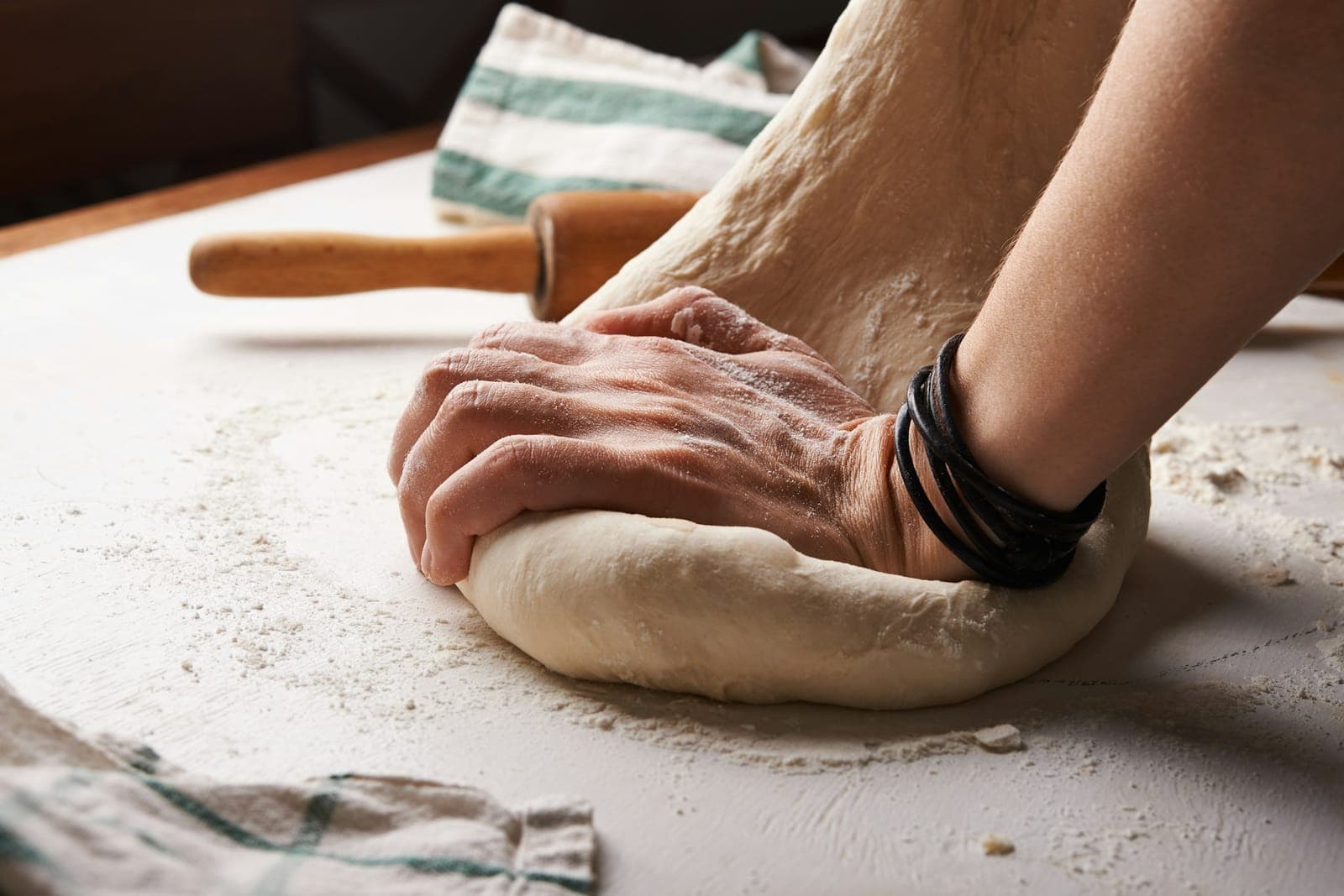
A pizza oven compresses all of its difficulty into about ninety seconds. The oven itself is easy: modern gas ovens preheat in 15–20 minutes and hold temperature on their own. The hard part is you: stretching dough, building the pie on the peel quickly, launching it without a fold, and turning it every 20–30 seconds so one side doesn't carbonize. Nearly every new owner sacrifices a pizza or two to the launch. The good news is that the curve is short: our first cook walkthrough and a proper high-temperature dough get most people to genuinely good pizza by the second session. Wood-fired ovens add real fire management on top; owners of multi-fuel models consistently report needing 2–3 cooks just to learn the fuel rhythm.
The Question Nobody Asks: How Often Will You Use It?
This is where we have to be honest, because it's the single best predictor of which purchase you'll regret.
Grills get used weekly. A grill slots into normal dinner: chicken thighs on a Tuesday, burgers on Friday, vegetables next to whatever else is cooking. It replaces your stove for a meal with almost no extra planning, which is why a kettle earns its patio space 40–80 times a year for a typical household.
Pizza ovens get used in bursts. Pizza night is an event: dough made (or bought) ahead, toppings prepped, a 20-minute preheat, then a flurry of pies. Owners who love their ovens describe exactly this pattern: heavy use for stretches, then quiet weeks. An oven that makes 8 pizzas in one evening twice a month is a wild success at roughly 25 cooks a year. That's not a knock; it's just a different rhythm, and you should buy knowing it.
The economics still work if you actually host: a homemade Neapolitan pie costs a few dollars in flour, cheese, and fuel against $15–25 for delivery, so a $340 oven can pay for itself inside a year of twice-a-month pizza nights. It just never gets there sitting under a cover.
Can't You Just Make Pizza on the Grill?
You can, and it's the cheapest way to find out how much you care. A cordierite pizza stone on a kettle with a full chimney of coals will bake a very good 5–8 minute pizza: crisp bottom, a little smoke, closer to a good bar pie than to Naples. What it won't do is the 60-second blistered crust, because the grill can't put 850°F into the stone and flame over the top of the pie at the same time. Plenty of people try grill pizza, love it, and upgrade to a dedicated oven the following season. That's a feature of buying the grill first, not a flaw.
The Verdict: Match the Tool to How You Cook
Buy the grill first if you cook outdoors as part of normal life: weeknight proteins, weekend cookouts, feeding more than four people, any interest in smoking. It's half the price, more forgiving, and covers 90% of outdoor cooking. Start with our charcoal grill rankings; for most people the answer is a $165–$219 kettle, and that's not us being cheap; it's the consensus of two decades of owners.
Buy the pizza oven first if pizza is the actual goal. You make dough already, you host, your family would eat pizza weekly, or you've been paying $60 a pop for delivery night. A specialist tool you use 25 times a year beats a generalist you use five. Our pizza oven comparison starts at $299 and flags which ovens are genuinely beginner-friendly.
If you truly can't decide, buy the kettle and a pizza stone. You're out about $250 total, you get weekly dinners plus decent pizza, and in a year you'll know (from your own habits, not a blog post) whether the dedicated oven deserves next season's budget.
Whichever you choose, start here
New grill? Our charcoal grilling guide walks through your first two-zone cook. New pizza oven? The first cook walkthrough and our outdoor pizza dough recipe will save you the traditional sacrificial first pie.