A pellet smoker will hold 225°F for twelve hours while you sleep. A charcoal smoker will teach you to read thin blue smoke, chase vents at 2 a.m., and produce the deepest bark of your life. Both make genuinely great barbecue, but they are different hobbies wearing the same apron.
We dug through hundreds of owner reviews and every major 2026 roundup to lay out where each type actually wins. No “it depends” cop-out at the end: there's a clear recommendation, it just depends on which kind of cook you are.
How Each One Actually Works
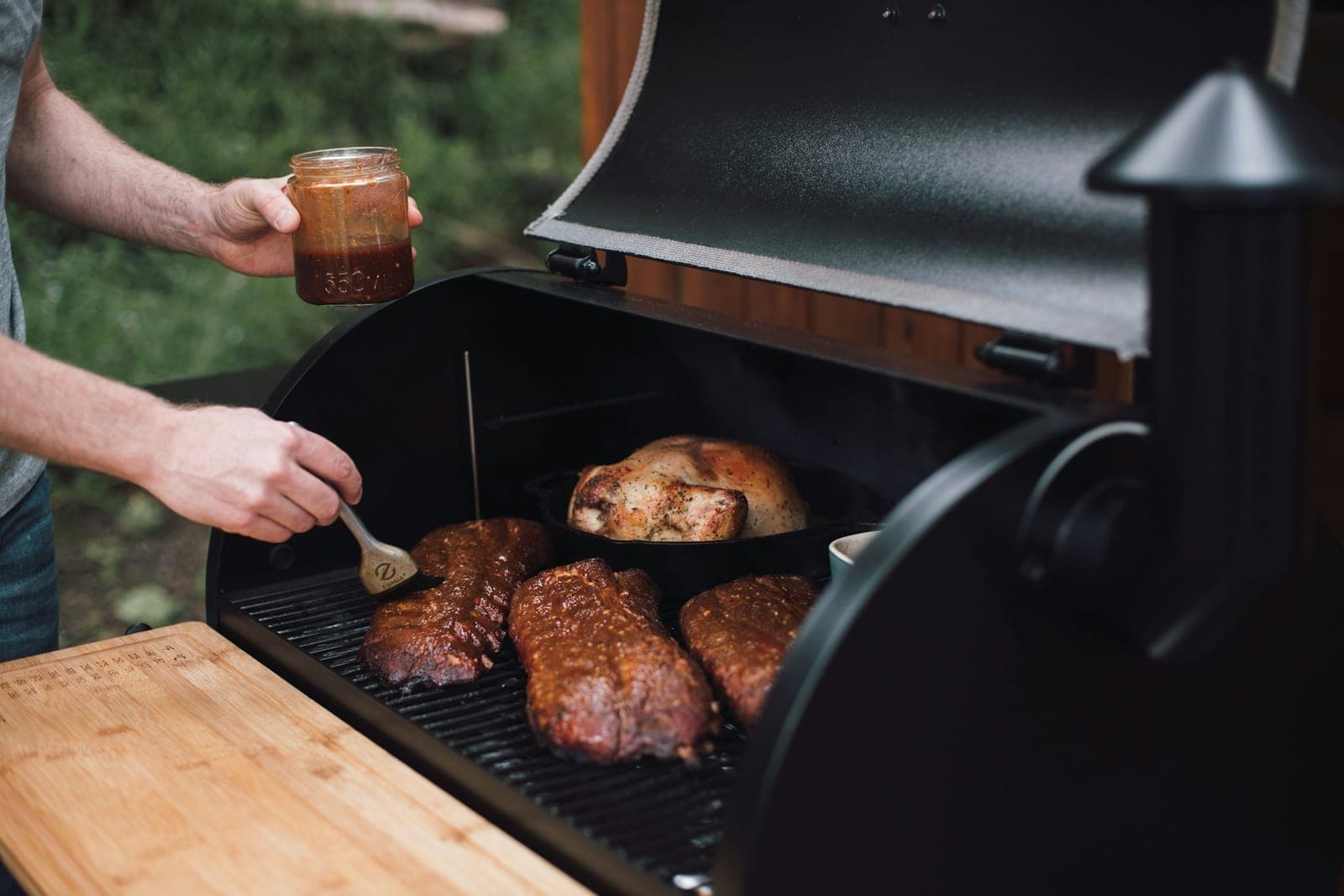
A pellet smoker is half grill, half appliance. An auger feeds compressed hardwood pellets from a hopper into a fire pot, a fan stokes the flame, and a PID controller adjusts both to hold whatever temperature you set (most models within 5–15°F). You plug it into a 120V outlet, set 225°F, and walk away.
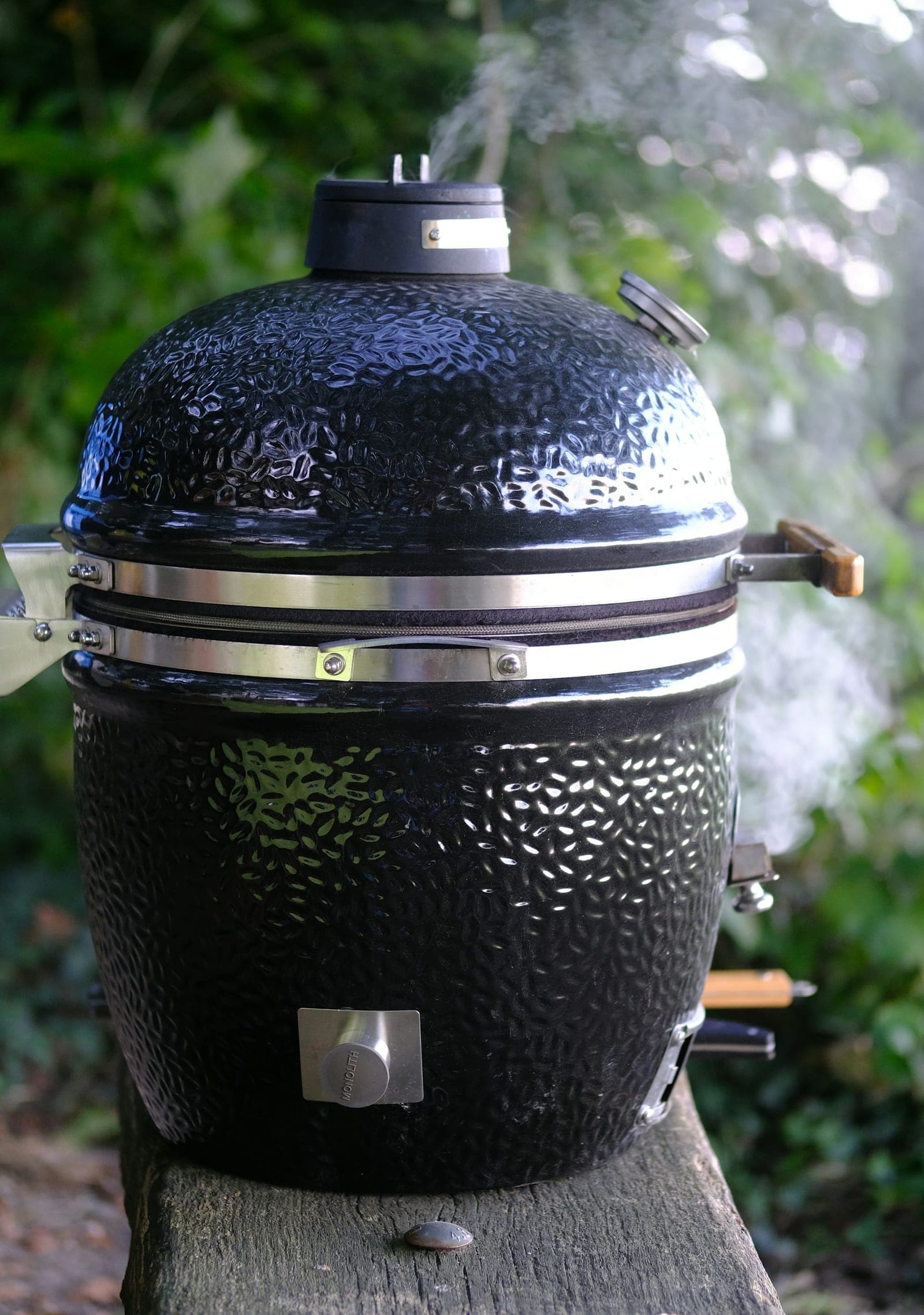
A charcoal smoker, whether that's a kamado, a kettle, or an offset, is a fire you manage with airflow. Intake vent controls how much oxygen feeds the coals; exhaust vent pulls smoke through. You light a chimney, wait 20–40 minutes for temps to settle, and make small vent adjustments for the rest of the cook. There are no electronics, no outlet, and nothing between you and the fire.
Flavor: Charcoal Wins, but by Less Than You'd Think
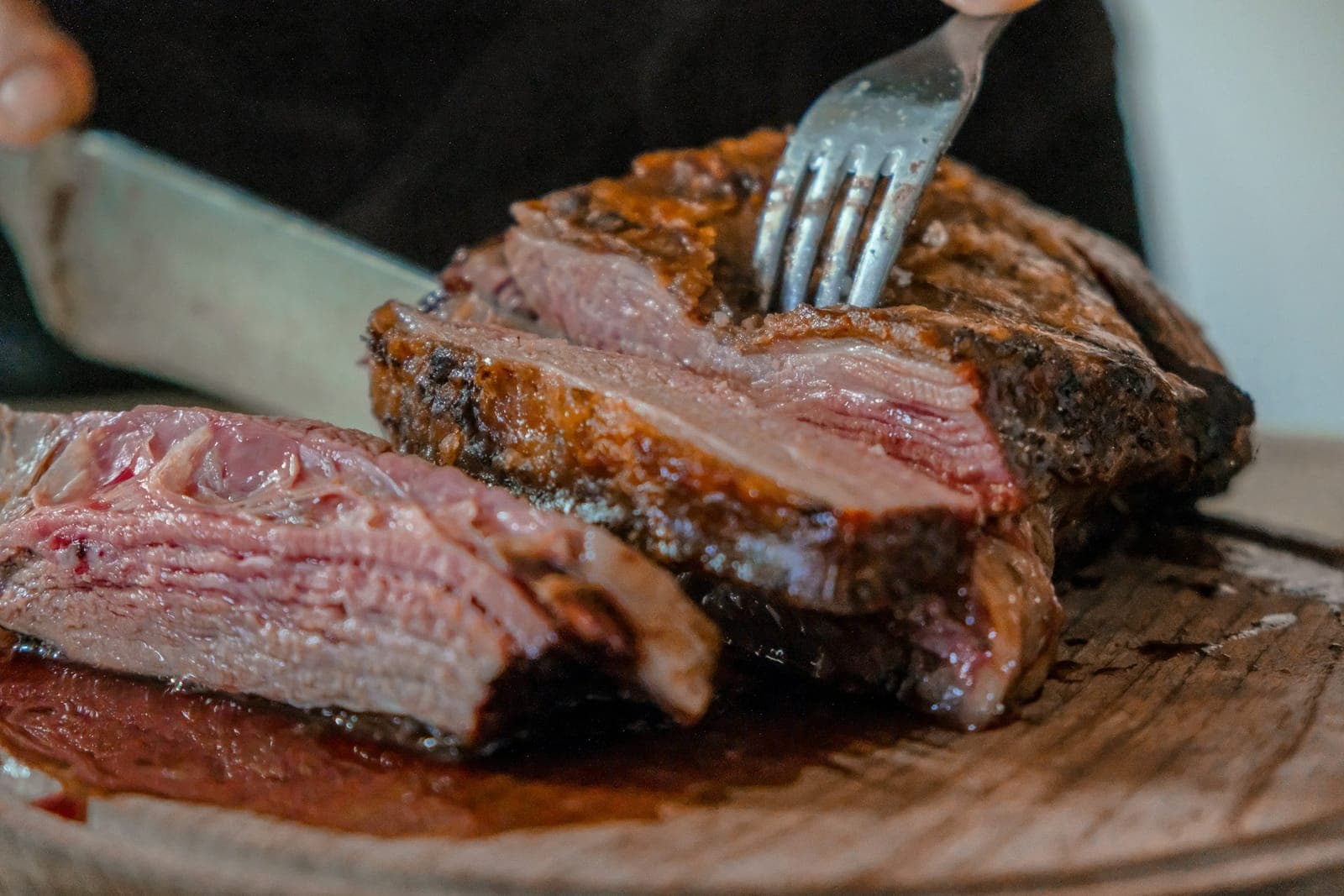
This is the argument that fills barbecue forums, so let's be straight about the consensus: charcoal and wood chunks produce deeper, heavier smoke flavor than pellets. A pellet fire burns clean and efficient: great for consistency, but it leaves a milder smoke profile that some owners describe as “smoke-adjacent” on shorter cooks. Charcoal burning with a few chunks of hickory or oak puts out more of the compounds that build bark and smoke ring.
That said, the gap has narrowed. Pellet makers know mild smoke is their weak spot: Traeger's Super Smoke mode meaningfully boosts output below 225°F, and the Camp Chef Woodwind Pro goes further with a slide-out smoke box that burns real wood chunks alongside the pellet fire. Reviewers consistently call it the closest a pellet smoker gets to stick-burner flavor. But in the side-by-side comparisons reviewers keep running, charcoal still takes the flavor vote more often than not.
If flavor is the reason you're buying a smoker, that matters. If your family mostly notices whether dinner is juicy and on time, it matters less than the forums suggest.
Convenience: Pellet Wins, and It's Not Close
A modern pellet smoker like the Traeger Woodridge preheats in about 15 minutes, holds temp unattended for the length of a 20-lb hopper (roughly a full brisket cook), and sends probe alerts to your phone. Overnight cooks require no alarm clock. Weeknight smoked chicken thighs become a realistic Tuesday plan.
Charcoal asks more of you. Lighting a chimney, stabilizing temps, and learning your vents has a real learning curve: expect a few cooks where the temperature runs away from you. A good kamado narrows the gap dramatically: once a Kamado Joe Classic II settles at 225–250°F, owners routinely run 12+ hour overnight smokes on a single load of charcoal. But “settles” is doing work in that sentence: you got it there, and you're the thermostat if the weather turns. Our kamado setup guide covers the vent positions that make it predictable.
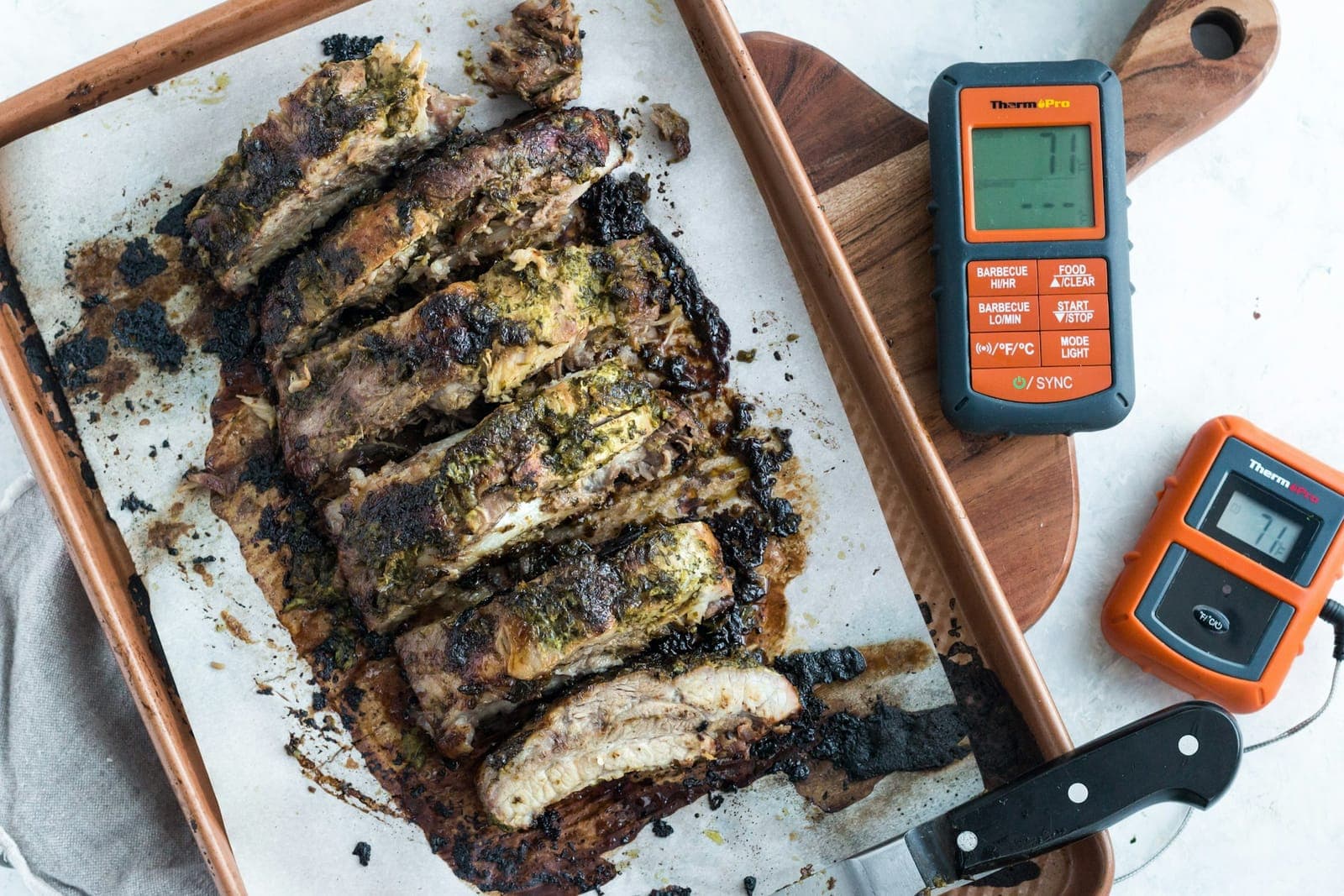
Either way, a good probe thermometer removes most of the guesswork; here's how to use a meat thermometer properly (short version: cook brisket to probe-tender around 203°F, not to a clock).
Cost: Upfront and Per Cook
Upfront, charcoal is cheaper to try. A Weber Original Kettle Premium runs about $219 and smokes ribs beautifully with a two-zone fire. The insulated-steel Char-Griller AKORN delivers real kamado behavior for around $269. Decent pellet smokers start higher: the Z Grills 700D4E is the value pick at roughly $450, and the models most 2026 roundups recommend (the Woodridge, the Weber Searwood) sit around $900. Ceramic kamados flip the math: a Kamado Joe costs more than most pellet smokers.
Per cook, it's roughly a wash. Pellets cost about $1–2 per pound and burn around 1 lb per hour at 225°F, so a 12-hour brisket runs $12–20 in fuel. Lump charcoal costs a bit less per pound, and an efficient kamado does the same overnight cook on one $5–8 load, while a leakier charcoal rig can burn through as much as the pellet grill. A 20-lb bag of lump and a 20-lb bag of pellets both land in the $15–30 range. Fuel cost shouldn't decide this for you.
Temperature Range and Searing
Charcoal owns both ends of the thermometer. A kamado runs 225–750°F, which means the same grill that smoked your pork butt can put a steakhouse crust on a ribeye. A kettle over open coals does the same trick for a tenth of the price of a ceramic.
Most pellet smokers top out at 450–500°F of indirect heat: hot enough to roast, not hot enough for a proper sear. Owners work around it with cast-iron pans or reverse-sears on a side burner. The exceptions are pellet grills with direct-flame access: the Weber Searwood hits a true 600°F with direct flame, which is exactly why it headlines our pellet smoker rankings. If you want one machine for brisket and Saturday steaks, check that direct-flame box before buying, or buy charcoal.
Maintenance, Electronics, and Lifespan
A charcoal smoker is a metal or ceramic box with vents. Nothing shorts out, nothing needs an outlet, and there's no firmware. Weber kettles routinely serve 15–20 years; ceramic kamados carry lifetime warranties on the ceramic. Upkeep is dumping ash and replacing the occasional gasket or grate.
A pellet smoker is an appliance, and appliances fail. Augers, fans, igniters, and controllers are all mortal; owner threads for nearly every brand include E-code stories, often traced to ash buildup or damp pellets (store them sealed; pellets that absorb moisture swell and jam augers). You'll also vacuum the fire pot every few cooks and clean the grease channel. None of this is hard, but it's real, and it's worth weighing warranty length: Traeger's Woodridge line carries 10 years, Camp Chef just 3.
The Middle Ground Nobody Mentions
The pellet-vs-charcoal framing hides a third option: charcoal with a thermostat. The Masterbuilt Gravity Series 1050 feeds real charcoal from a gravity hopper and holds any temp from 225–700°F with a fan: pellet convenience, charcoal flavor, around $799. Owners are clear-eyed that the electronics are its weak point, but as a concept it splits this whole debate down the middle. The Char-Griller AKORN Auto-Kamado does the same trick on a kamado body for about $399. Both live in our charcoal grill comparisons.
The Verdict
Buy a pellet smoker if eating is the point. You want smoked brisket, ribs, and weeknight chicken with the least friction, and you're at peace with mild-but-real smoke flavor. You'll cook more often because starting is a button press, and the smoker you actually use beats the one that intimidates you into ordering takeout.
Buy charcoal if cooking is the point. You want the deepest flavor, a real sear, a rig with no electronics to die, and you find fire management relaxing rather than annoying. A kettle is the cheap way in; a kamado is the buy-once way in.
And if you're still torn: plenty of serious backyard cooks end up with a pellet smoker for the long unattended cooks and a $219 kettle for searing and weekend tinkering. That pair covers everything either side of this argument can do.
Ready to put either one to work?
Brisket is the cook that shows you what your smoker is made of. Our step-by-step brisket guide works on pellet and charcoal alike (225–275°F, wrap at the stall, pull at probe-tender around 203°F). Then browse our researched picks for pellet smokers and kamado grills to find the right one for your patio.