Wood choice is the most over-complicated decision in barbecue. Forums will tell you peach is transcendent on pork loin and that mixing hickory with cherry at a 3:2 ratio changed someone's life. The honest version: there are really only two decisions, how strong you want the smoke, and whether your cooker takes pellets, chunks, or chips. Get those two right and almost any hardwood makes good barbecue.
We dug through owner reviews, competition-pitmaster interviews, and every credible pairing chart we could find to boil it down to the table below, plus the one wood that genuinely can ruin a brisket.
The Chart: Eight Woods, Mild to Strong
Read this top to bottom as a strength ladder. The higher a wood sits, the harder it is to overdo; the lower it sits, the more it punishes a heavy hand.
| Wood | Strength | Flavor | Best Pairings |
|---|---|---|---|
| Alder | Mild | Delicate, faintly sweet | Salmon, fish, chicken (the Pacific Northwest classic) |
| Maple | Mild | Subtly sweet, smooth | Poultry, pork, vegetables, anything bacon-adjacent |
| Apple | Mild | Fruity, sweet, slow to build | Pork ribs, pulled pork, chicken, turkey |
| Cherry | Mild–medium | Mildly sweet, fruity | Everything, and it gives the deepest mahogany color |
| Pecan | Medium | Nutty, rich, a little sweet | Poultry, pork, beef (hickory's mellow cousin) |
| Oak | Medium | Clean, classic barbecue | Brisket, beef ribs, sausage (the Texas standard) |
| Hickory | Medium–strong | Hearty, bacon-like | Pork shoulder, ribs, brisket (bitter if overdone) |
| Mesquite | Strong | Earthy, intense, fast-burning | Beef, hot-and-fast grilling only (see below) |
The Beginner-Safe Picks: Oak and the Fruit Woods
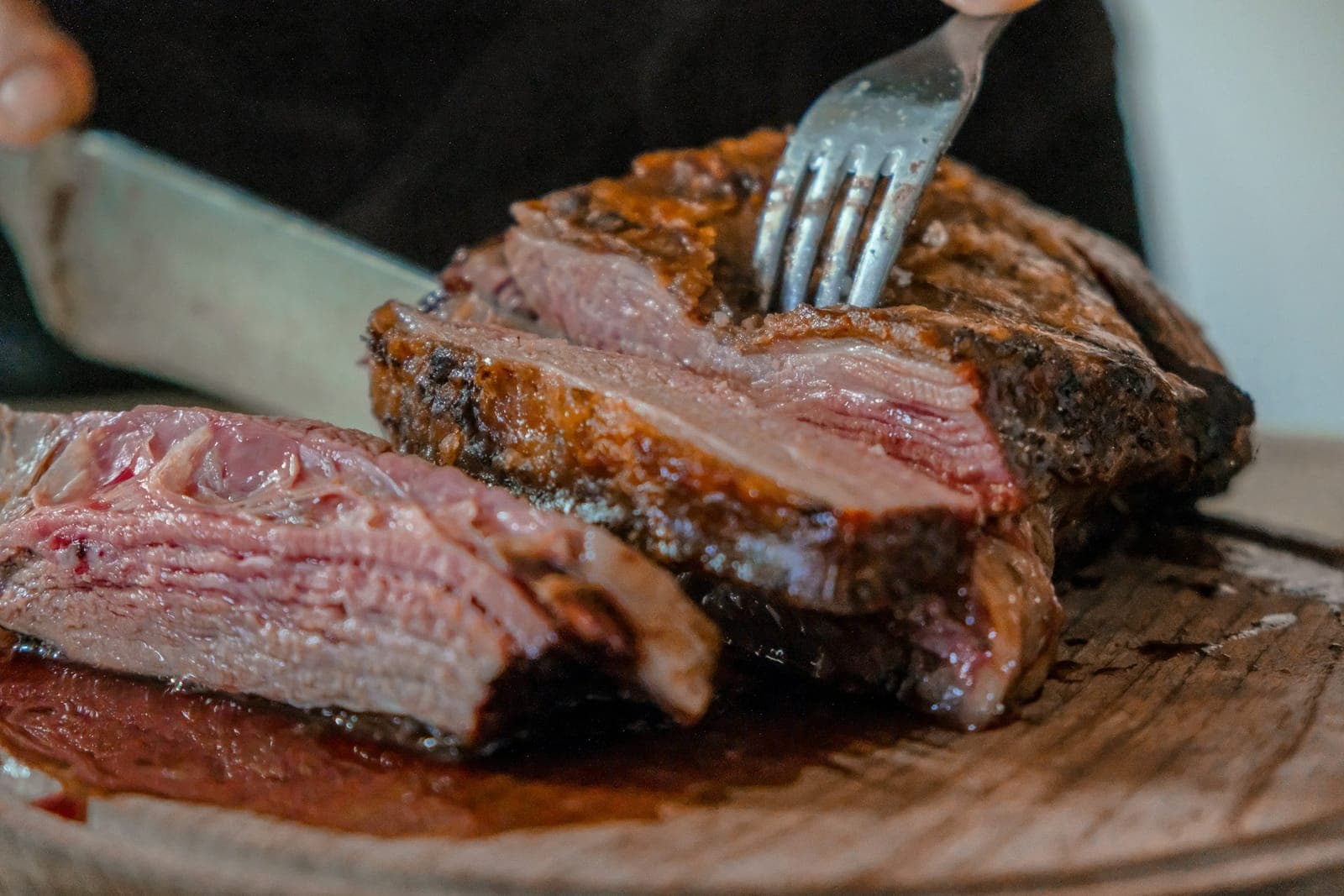
If you're smoking your first brisket or pork butt, buy oak. Central Texas barbecue, the style most of us picture when we picture brisket, is built almost entirely on post oak, and there's a practical reason: oak produces a clean, medium smoke that stays pleasant even when you use too much of it. It's the wood that forgives every beginner mistake. A bag of post oak chunks runs $20–30 and covers a season of weekend cooks.
Apple and cherry are the other safe lane. Fruit-wood smoke is so mild that it takes hours to build up, which makes it nearly impossible to ruin anything; the worst case is smoke flavor that's subtler than you hoped. Cherry earns a permanent spot in most wood stashes for a second reason: color. It reacts with the surface of the meat to build that deep mahogany bark you see on competition ribs. A fruit-wood variety pack is the cheap way to find your favorite.
Mixing is not cheating; it's how most good barbecue gets made. The workhorse combination is two parts oak to one part cherry: oak for the backbone, cherry for sweetness and color. Hickory does the same job for pork if you want a stronger, more southern profile.
The Mesquite Trap
Mesquite is the wood most likely to end up in a new smoker's cart: it's famous, it smells incredible, and it's stacked next to the charcoal at every hardware store. It's also the wood behind most “my brisket tastes like an ashtray” posts.
Mesquite burns hot and fast and throws off a heavy, earthy smoke loaded with strong-flavored compounds. Over a 12-hour low-and-slow cook at 225–275°F, that intensity keeps stacking until it crosses from bold into bitter. West Texas cooks who built their reputation on mesquite use it for hot-and-fast cooking: think fajitas seared over open coals, not overnight briskets. Treat it the same way: brilliant for grilling beef in under an hour, risky for anything longer unless you cut it heavily with oak.
If your smoke ever turns thick, white, and billowing (any wood, not just mesquite), that's smoldering, not clean combustion, and it's the other main source of bitter meat. You want smoke thin enough that you can barely see it.
Pellets vs. Chunks vs. Chips: Match the Form to the Cooker
The flavor comes from the species; the form just has to match your equipment. Here's the short version:
Pellet smokers burn pellets, full stop. Compressed hardwood pellets are the only fuel an auger can feed, and you should never put loose chips or chunks in a hopper. Species matters a bit less here because pellet fires burn so clean; many owners find single-species bags subtle and prefer a hickory or oak-based blend for everyday cooks. If you want real wood-chunk flavor from a pellet rig, the Camp Chef Woodwind Pro is the notable exception: it has a dedicated smoke box that burns chunks alongside the pellet fire. Our pellet smoker rankings cover it and the rest of the field.
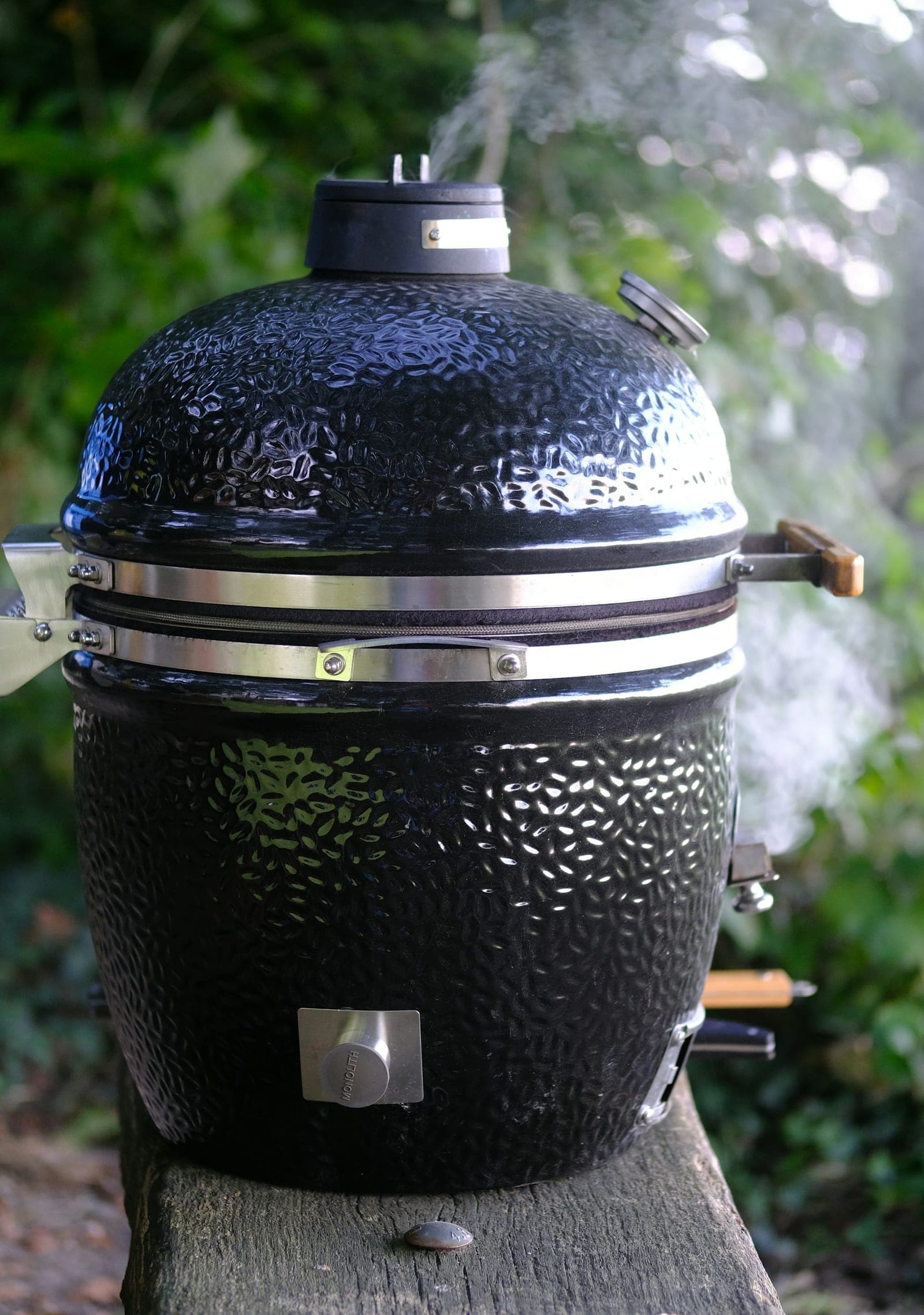
Charcoal cookers want chunks. Fist-sized chunks nestled into lit charcoal smolder for 30–60 minutes each, which is exactly the slow release a long cook needs. On a kamado, two or three chunks buried at different depths in the charcoal will smoke for hours as the fire burns down to them; ceramic cookers are so efficient that more than that is usually too much. A kettle running a two-zone fire works the same way; our charcoal setup guide shows the arrangement.
Gas grills get chips, or better, a smoke tube. Chips ignite quickly, which suits a foil packet or smoker box over a burner, but they burn out in 15–20 minutes. A pellet smoke tube is the $20 upgrade most gas-grill owners land on: fill it with pellets, light one end, and it smolders for around 5 hours: no refilling, no foil.
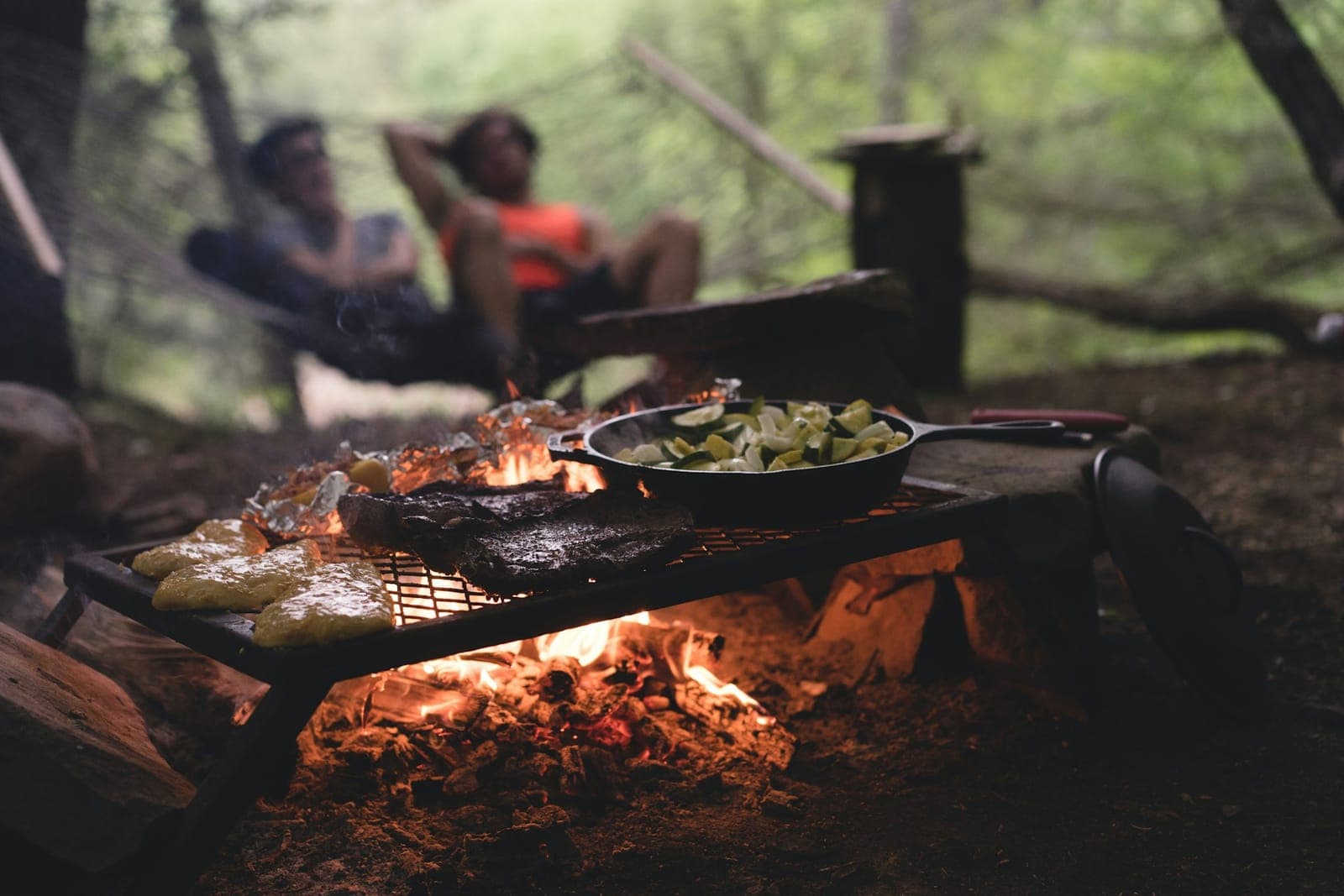
Fire pits burn splits. Cooking directly over wood is its own skill (you cook over the coals a split burns down to, not the flames), and mild-to-medium woods like oak and fruit wood are far more pleasant to sit beside for three hours than mesquite. Our fire pit cooking guide covers building and managing that coal bed.
Stop Soaking Your Chips
The advice to soak wood chips for 30 minutes before smoking has been printed on bags for decades, and it doesn't hold up. Wood is dense; a half-hour soak wets little more than the outer surface. What you actually get from soaked chips is a long hissing stage where the water boils off as steam (which looks like smoke, but isn't) before the wood finally dries out and starts burning. You've delayed the real smoke, not extended it.
Dry chips start producing clean smoke almost immediately. If your problem is chips burning out too fast, the fix is a bigger piece of wood (chunks) or a smoke tube, not water. The one thing soaking reliably does is drop your cooker's temperature while the water evaporates, the opposite of what you want during a preheat.
Our Recommendation
Keep it to three woods: oak as your everyday base, cherry for color and sweetness, hickory when pork wants a louder voice. That trio covers brisket, ribs, pulled pork, chicken, and sausage without a single risky choice, and mixing within it is almost impossible to get wrong. Add mesquite only when you're grilling beef hot and fast, and add alder the day you smoke salmon.
Then stop worrying about wood. Fire management and pulling meat at the right internal temperature (165°F for poultry, 145°F plus rest for whole-muscle pork and beef, probe-tender around 203°F for brisket) move the needle far more than swapping apple for peach ever will. A good instant-read matters more than a fourth wood species; here's how to use a meat thermometer properly.
Putting the chart to work
Grab a bag of oak, pick a Saturday, and follow our step-by-step brisket guide; it's the cook that teaches you what clean smoke tastes like. Still choosing the cooker itself? Our researched picks for pellet smokers and kamado grills break down which rigs make wood flavor easy.